With constant changes in the world of broadcasting, the need for high-quality video transmission over large distances has become highly critical.
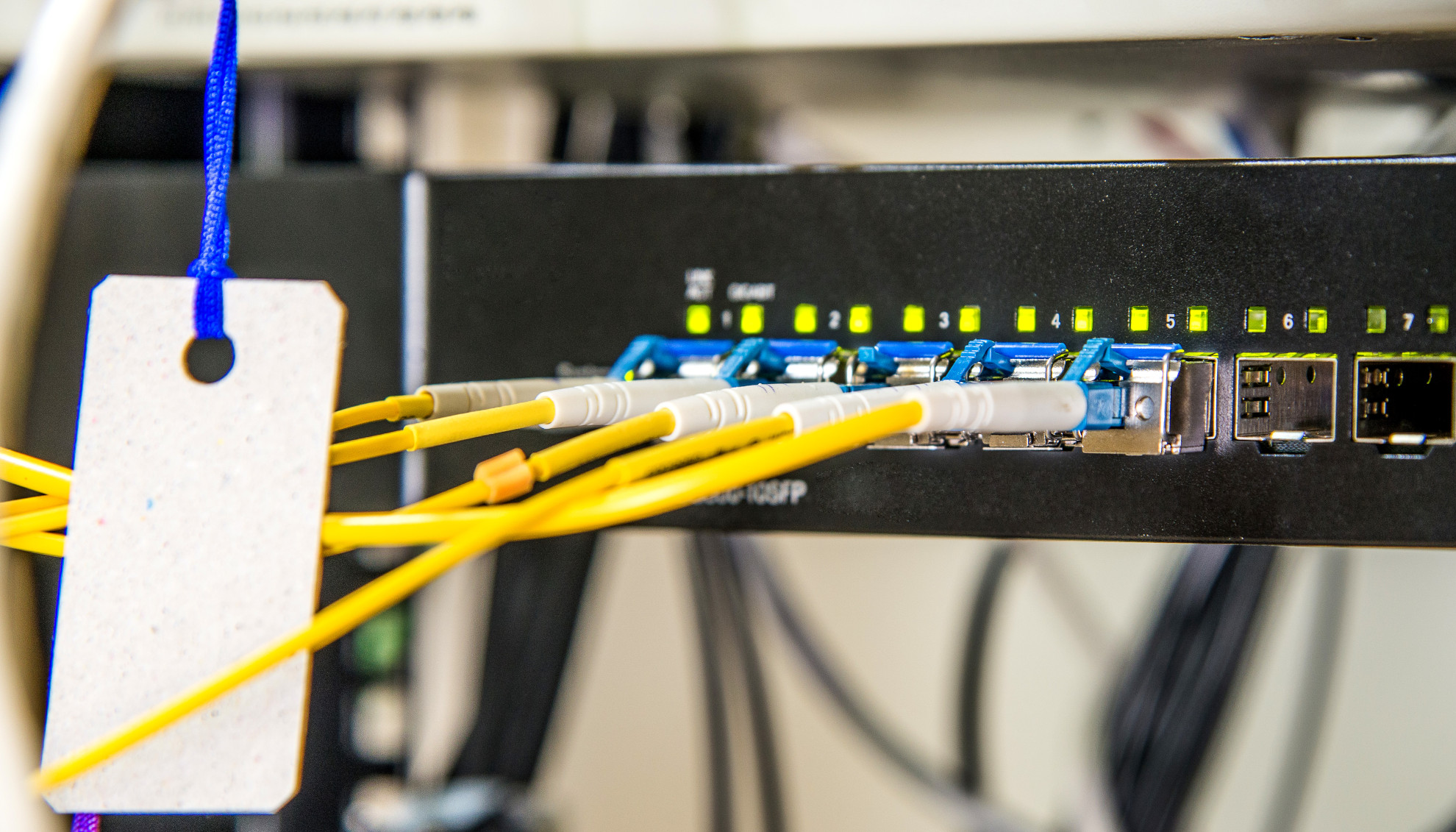
Table of Contents
With constant changes in the world of broadcasting, the need for high-quality video transmission over large distances has become highly critical. Amongst a couple of ground-breaking answers, SDI over fiber has turned out to be an innovative method to cater to such demands. The technology offers nothing but brilliant video quality and a number of benefits to television production and live broadcasts. In this article, we delve into SDI over fiber, the benefits that accrue from its use, and the many applications within the broadcasting landscape.
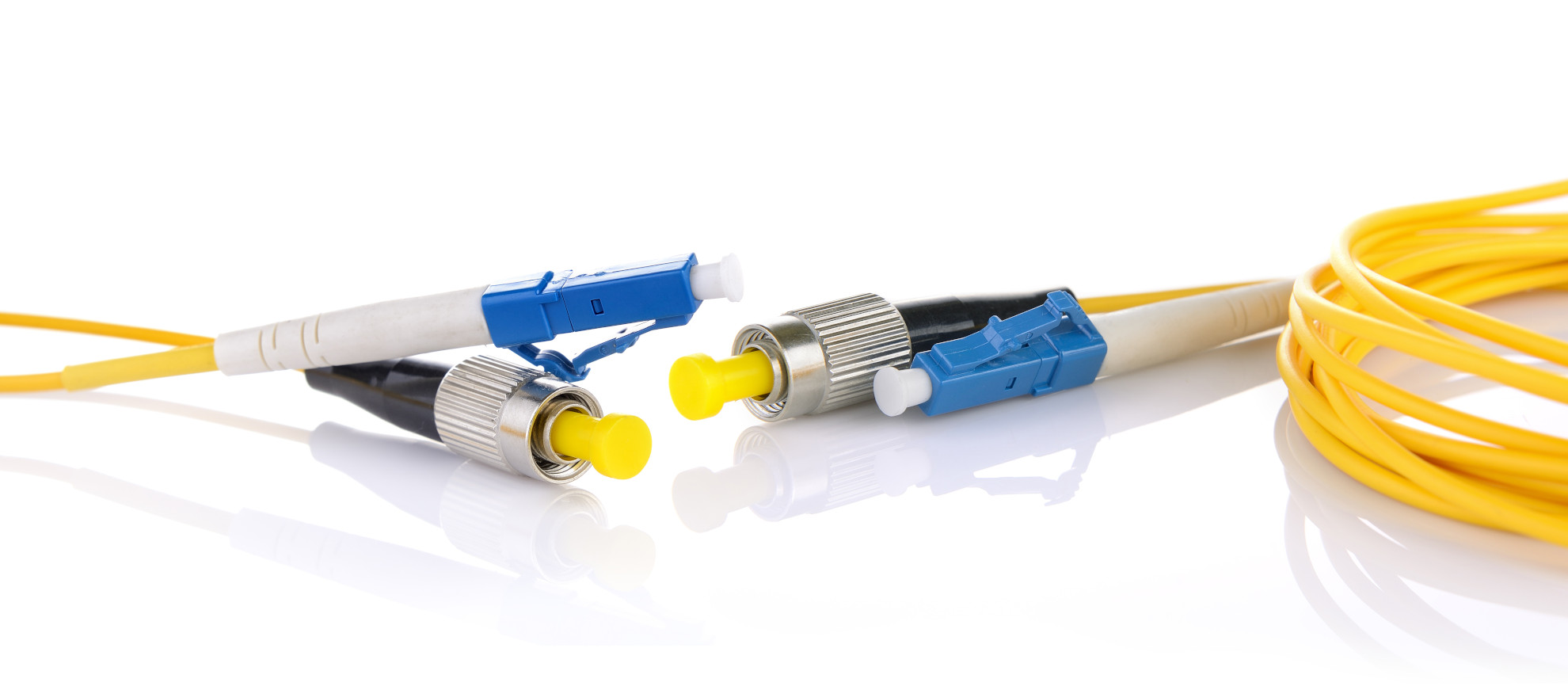
SDI over fiber basically refers to the transport of digital video signals on the fiber cables instead of traditional copper cables. This is quite useful in the case of the high-definition video format transmission such as HD-SDI, 3G SDI, and 12G SDI. Each of these has different data rate and resolution support, allowing the broadcaster to choose an appropriate standard to suit his needs.
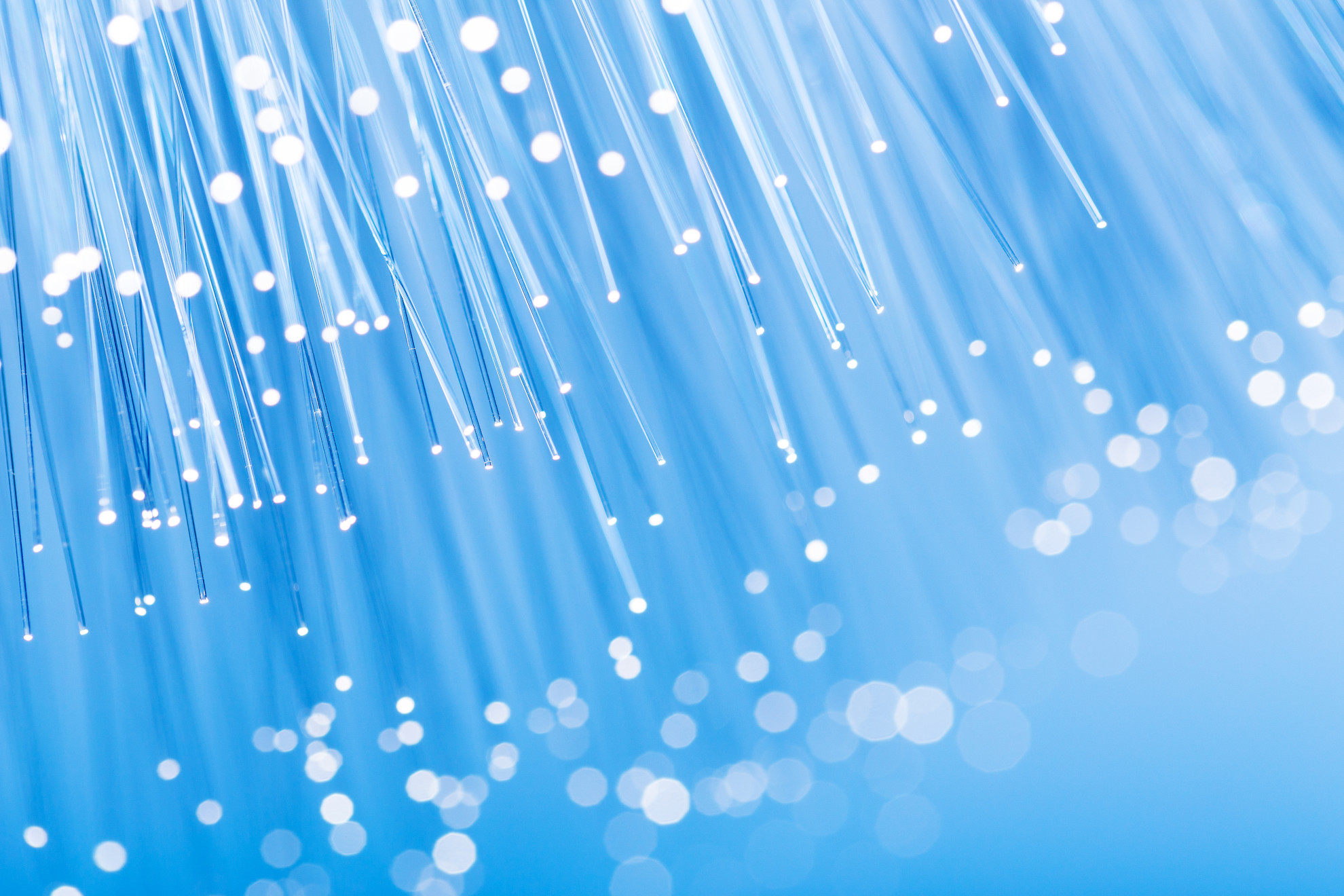
It allows a lot of long-distance transmissions compared to SDI over fiber. Unlike copper cables, which usually will experience signal degradation and interference within a long run, fiber optic cables maintain signal integrity over much further distances. As such, this idealistic situation makes fiber appropriate for large broadcasting environments such as stadiums and arenas, events that are held outdoors where traditional cabling is unpractical.
While copper-based cables face a very huge problem in electromagnetic interference, especially in broadcasting environments with a lot of electronic equipment, fiber optic cables are extremely resistant. The immunity guarantees clarity and stability in the video signal, hence enabling the enhancement of the quality of the broadcast.
Bandwidth requirements have shot upwards with the introduction of high-definition and ultra-high-definition content. SDI over fiber supports a broad range of data rates, thus allowing broadcasters to transmit uncompressed video signals without bandwidth concerns. This is a core capability in live sports broadcasts and other high-stakes productions where video quality cannot be sacrificed.
While the initial investment in fiber optic infrastructure may be higher, the savings are considerable over time. Fiber optic cables are even lighter and thinner, hence reducing some installation and maintenance costs. Additionally, with fewer signal boosters and repeaters over greater distances, fiber becomes more cost-effective in the long term.
SDI over fiber also offers flexibility for scalability with ease. Broadcasters can easily deploy more channels and devices into their existing systems without necessarily overhauling the infrastructure. For example, SDI multiplexers, also known as SDI Mux, can be deployed to combine several SDI signals over one single fiber link, a method that optimizes the set-up quite significantly.
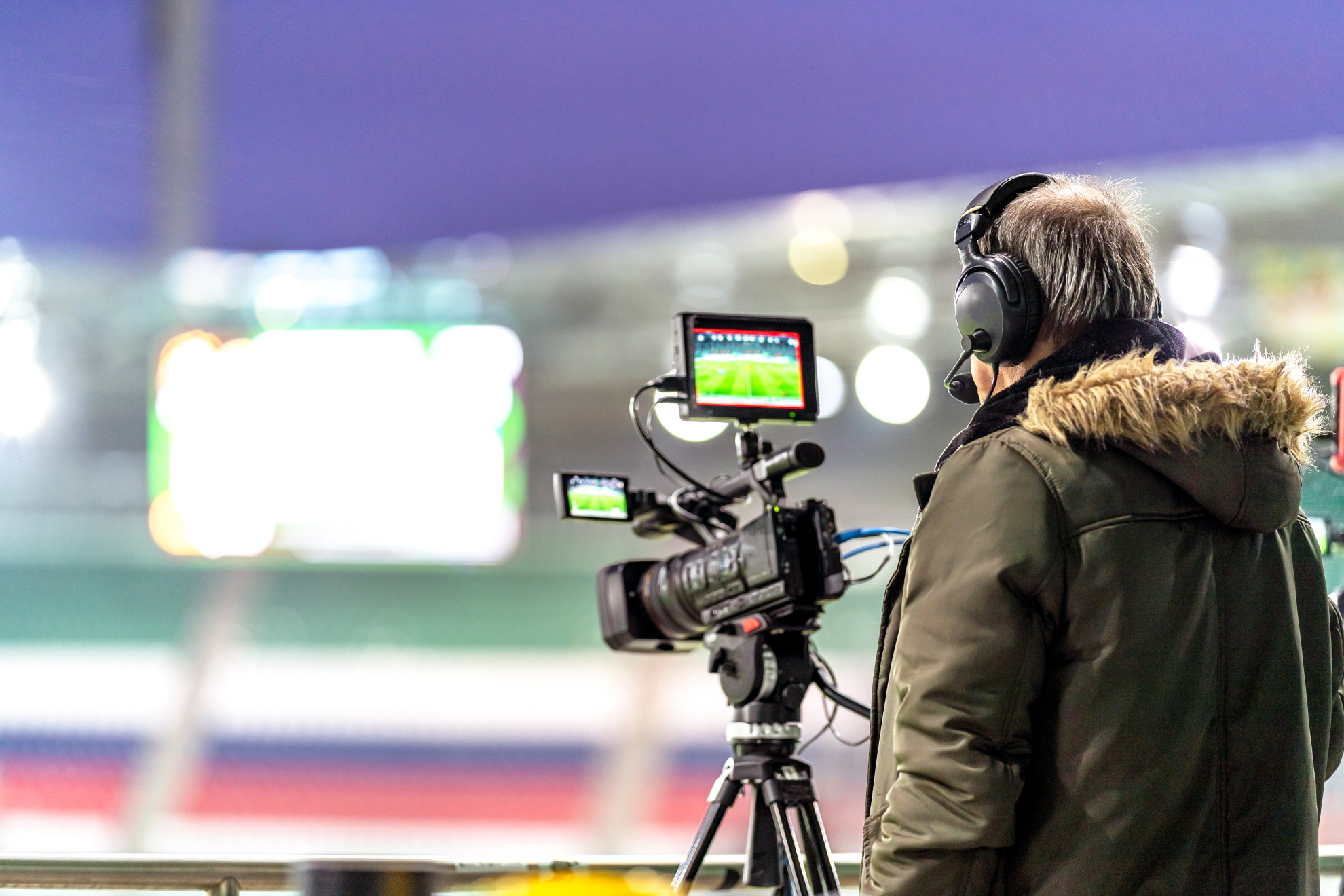
Live Sports and Events: High-quality video and its transmission over large distances become mandatory in live broadcasting of sports. SDI over fiber has turned out to be the favorite for sports networks, which want real-time video feeds from different angles and parts of a stadium. Broadcasters can easily transmit numerous camera feeds back to the production trucks by using SDI fiber extenders and multiplexers without degradation in quality.
Television Production: The use of SDI over fiber is finding its application in television studios, therefore, easing the routing of video signals from a multitude of cameras and equipment within the studio. The scalability inherent in fiber systems allows studios to adapt to new technologies and workflows without major changes in infrastructure. In addition, with the implementation of SDI fiber multiplexers, television studios are able to simplify their video routing processes and manage even complex productions with ease.
Remote Broadcasting: SDI over fiber is invaluable in remote production, where broadcasts are controlled from other than the location where the event is taking place. High-quality video transport over long distances enables maintaining a professional production standard even while working remotely. With recent developments on a global scale that have been putting several restrictions on in-person gatherings, this aspect has become very significant.
Integration with IP Networks: With the broadcasting industry becoming increasingly IP-based in its workflows, a necessary part of this integration will be taking SDI over fiber and integrating it into their already existing IP networks. This is in regard to data traffic: signals can easily be transported over fiber optic cables while seamlessly communicating between devices and systems of all kinds. In opening up the avenues of future innovations in broadcasting technology, SDI over fiber has become an important aspect of today's infrastructure.
SDI over fibre is one of the most recent significant evolvements in the broadcasting field. This technology mitigates a lot of restrictions to long-distance transmission and offers immunity from interference, with better bandwidth and value for money. With this technology driven by the ever-growing demand for high-quality video, the same is bound to be a deciding factor in shaping the future of television production and live broadcast.
Whether it's a live sports event, television production, remote broadcasting, or integration with IP networks, SDI over fiber acts as a single point dependably efficient solution. Being able to master and embrace SDI over fiber technology will certainly be one of the keys to success for those broadcasters who want to bring the ultimate viewing experience to audiences.
Read More:


 ES
ES