Below is an explanation of just exactly what an SDI multiplexer is, how it works, and how such a device could simplify the management of video signals by combining them into one stream.
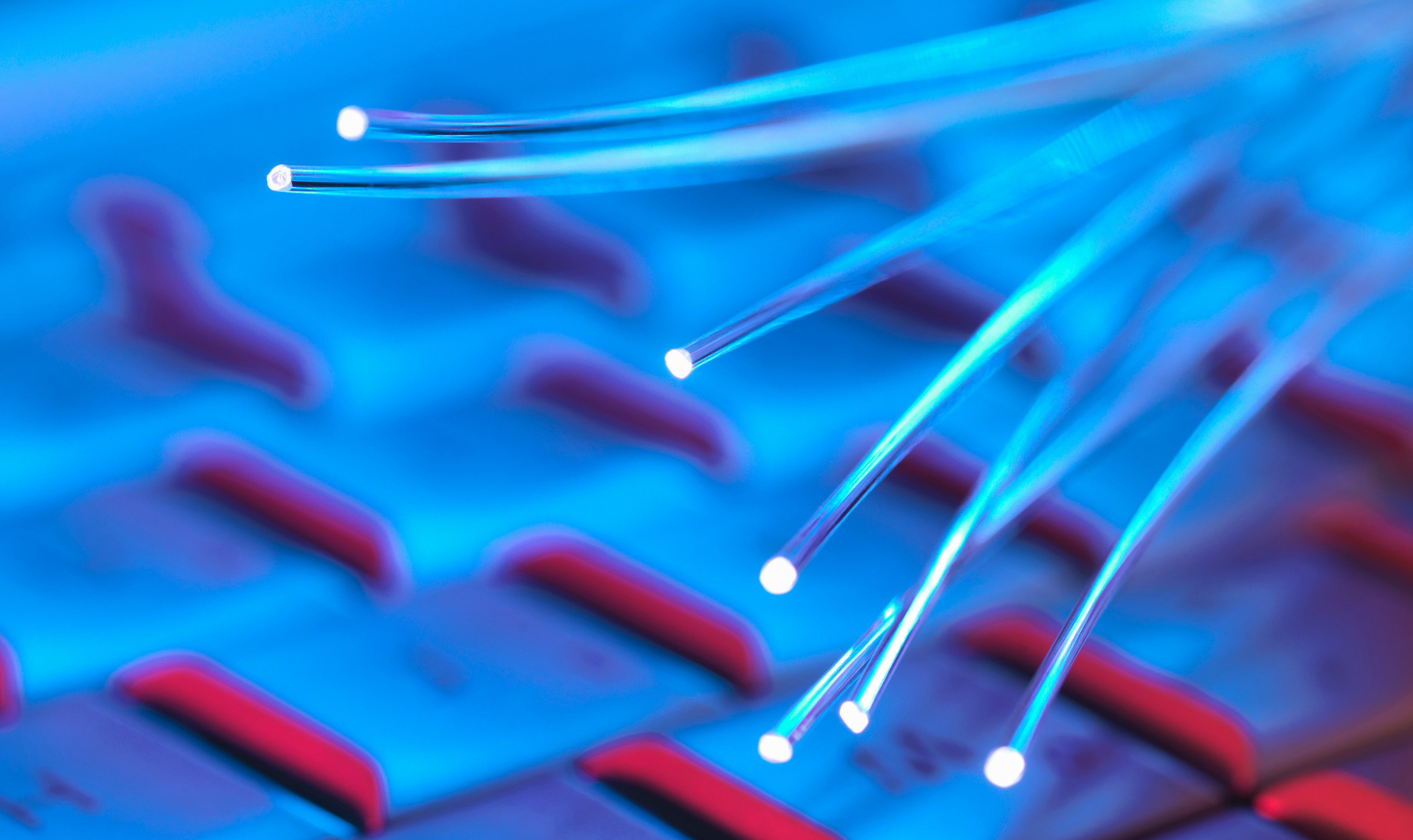
Table of Contents
In the world of rushing video production and broadcasting, multitasking with different types of video signals gains great importance. Indeed, recent trends within the industry aim at high-resolution content creation and complex workflows further pressing for such tools. Among them is a thing called SDI multiplexer or, for brevity, SDI Mux. Below is an explanation of just exactly what an SDI multiplexer is, how it works, and how such a device could simplify the management of video signals by combining them into one stream.
Serial Digital Interface, or SDI, is the standard for transmitting digital uncompressed video signals in professional video environments. There exist a number of different types of SDI, each serving a specific application.
An SDI Mux, as they are often called, is often only a device that is able to merge multiple video signals into one stream. They allow broadcast and production teams to maintain fewer video feeds because it simplifies the workflow and cabling complexity involved.
The major function of the SDI multiplexer is to receive multiple inputs of SDI, process them, and then give out the combined output as one SDI signal. How it works most of the time: Input Channels: These are several channels through which various SDI signals are input into the SDI Mux. These can be different feeds from cameras, graphics, or other video sources.
Several of these inputs are processed in real time by the multiplexer. Support for different resolutions and formats, such as HD-SDI, 3G SDI, and 12G SDI over fiber, is dependent on the design.
One combined SDI signal is sent out by the SDI Mux after processing. This output can then be transmitted over a single cable, considerably simplifying the cabling needs for video production.
A multiplexer has been chosen for the SDI because it can ease the management of the video signals. A large number of signals are combined into a single stream, hence reducing the overall number of cables used, and therefore simplifying the setup quite a bit. This helps in live broadcasting setups where many angles and feeds by cameras may be involved.
These signals can be processed in real time by SDI multiplexers to ensure that combined output is delivered with very minimal latency, which is an important factor in live environments where timing means everything. This helps manage multiple feeds with ease for broadcasters and offers seamless experiences to viewers.
While the upfront cost of investment in an SDI multiplexer may be quite expensive, over a long period, the savings can be reasonable enough. First, material cost gets reduced due to fewer cables and connectors and also installation labor. The maintenance cost decreases in the long run once only one output cable is deployed instead of multiple connections.
The nature of SDI multiplexers is generally versatile and hence can adapt to different configurations. Be it migrating from HD-SDI to 3G SDI or up to higher resolutions like 12G SDI, the flexibility that SDI multiplexers avail allows for evolvement in video production. This scalability therefore allows broadcasters to upgrade systems without major rewiring.
SDI multiplexers retain the integrity of the signal since they reduce the number of connections a system requires. The fewer the connections, the fewer the possibilities of degraded or interfered signals. This is quite critical in professional environments that require quality video outputs.
SDI multiplexers can work in tandem with other technologies in order to make them more functional within the broadcasting ecosystem.
The SDI multiplexer can combine with an SDI fiber extender and send multiple signals even over longer distances without loss of quality. SDI fiber extenders change the SDI into optical for sending on the fiber optic cables. That will be enabling broadcasters to process multiple feeds proficiently even in larger places or outdoor events.
An SDI fiber multiplexer extends the capability of an SDI MUX to merge multiple SDI signals in a single transmission over fiber optic cables. The technology method has become quite helpful where the distances are big and bandwidth is high, for example, in remote broadcasting setups or complex studio environments.
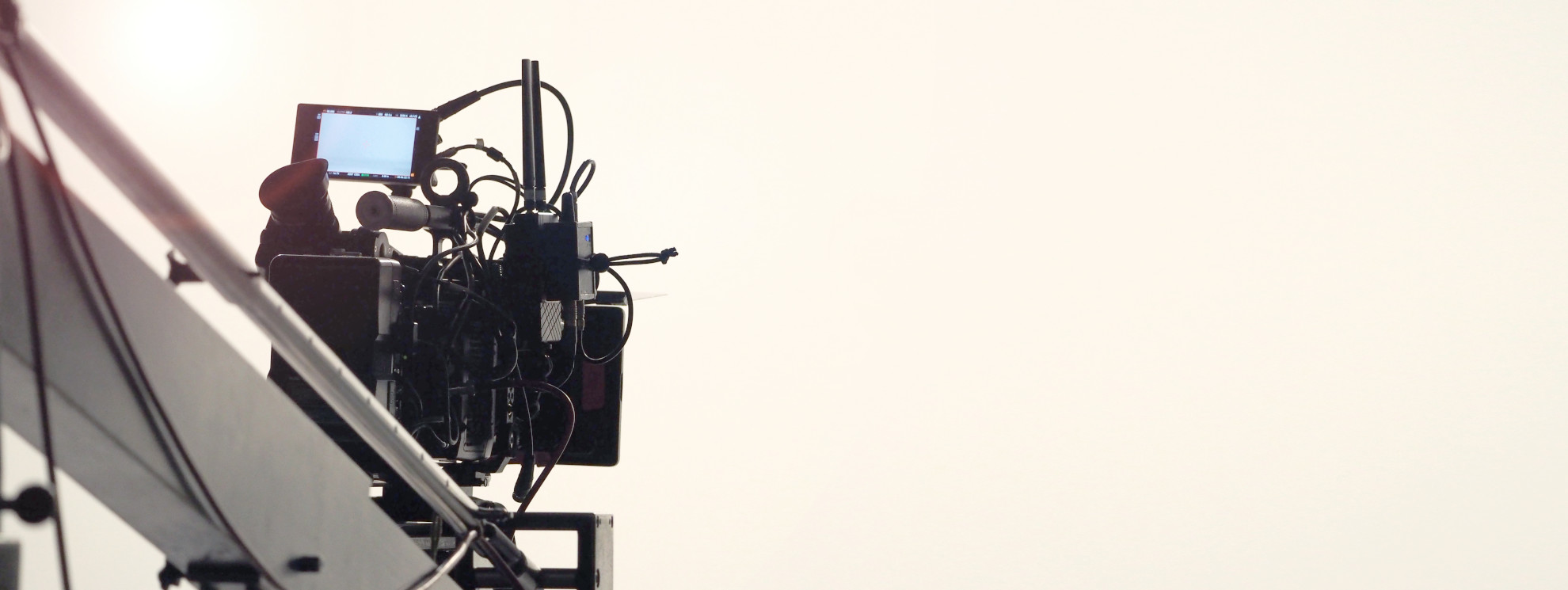
These multiplexers of SDI have been particularly helpful in broadcasting live events where there are a number of camera angles or feeds to be managed together. They make sure your production teams can confidently combine several video sources smoothly and surely, assuring seamless transitions and a polished finished product.
A lot of studios are broadcasting from more than one camera and often have multiple graphics sources. An immediate benefit of an SDI multiplexer is that with such sources, it easily integrates them into a streamlined workflow, enhancing the entire production process.
The more distant productions there are, the more leeway one has with efficient management of signals. SDI multiplexers can transport multiple feeds from a remote location without any issues; with this, they enable broadcasters to present quality content without a compromise on performance.
Multicameras are the order of the day these days, be it talk shows, panel discussions, or sporting coverage. It is here that SDI multiplexers at the production end make management of these feeds relatively easy by compressing the different streams into one for easier processing and transmission.
With further development of the broadcasting landscape, technologies such as SDI multiplexers are increasingly becoming essential. The high resolutions in demand--4K and 8K--apart from efficiency of workflows, have raised an increasing demand for effective signal management. The SDI multiplexer provides a way out for broadcasting, whereby one gets to adapt changes in technologies and audience expectations.
SDI multiplexers have grown to be very essential in the video production and broadcasting industry by being able to combine several different multiple signals into one stream. They have helped in streamlining workflow, reducing latency, and keeping the integrity of the signal intact-thus being advantageous in everything from live event broadcasts to studio productions.
Among the systems like SDI-over-fiber extenders and fiber multiplexers, SDI multiplexers play a major role in enabling broadcasters to do more with their work through good content delivery. Since the industry keeps changing with time, embracing such tools would be critical for staying ahead in video production and meeting the demands of an audience that is also growing.
Read More:


 ES
ES